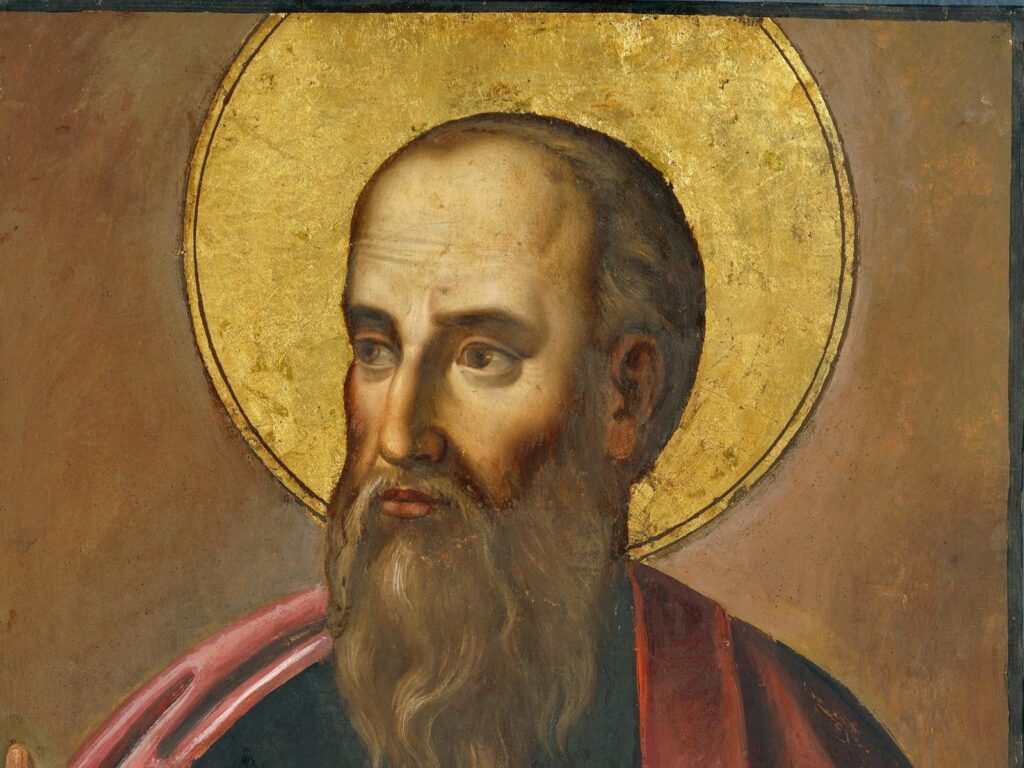
The preface and first chapter below are the first texts this site published, on 30 July 2023, when it began as an English book in progress. They are kept here in the wording in which they first appeared, with the two images that went with them.
Preface: Unmasking Paul of Tarsus
All praise be to God, the Lord of the Worlds. Peace and blessings be upon Muhammad, his family, his companions and to all generations of Muslims who were and are currently pursuing their path in earnest.
This book was written with full awareness of the Christian missionary movement which is increasingly involved with their current propaganda, resulting in the problem of apostasy among the Muslim ummah unaware of the history of this religion. What is sad is that those affected are children with little or no religious education. Some of them were given basic Islamic knowledge, but this knowledge was too thin to be an effective counter to the onslaught of Christian thought.
We seek refuge in God from all doubts of faith and from the plot of the unbelievers, especially among those of the People of the Scripture who are always trying to undermine our faith. Verily, God has revealed the Qur’an as a guide for those willing to seek the truth. But the truth cannot be attained when the search process is based on a deep-set hatred for Islam. Mankind needs to liberate their thinking from the elements of jahilliyyah, and review their actions and acts of superstitious practices that pollute and alter their culture of life and ethics. This will thus put in place a new structure for a more comprehensive life with universal values and the majesty of faith when these undesirable elements are successfully discarded.
It is obvious that if we were to examine the fundamentals of the teachings of contemporary Christianity, one would discover that it did not come from the true teachings of Christ Jesus, but through the teachings of a Jew from the city of Tarsus (now located in Turkey) by name of Saul, who later changed his name to Paul. Not many people know that Paul was actually a drunkard and a murderer. Paul had managed to successfully convince the followers of Jesus that he had received a “revelation” to continue the teachings of Jesus and joined them to spread the teachings of Jesus.
However, it appears that Paul had a latent malice, which was to destroy the religion of Jesus from within by introducing false doctrines that had no basis in the authentic teachings of Jesus. His aim was to simply attract the Gentiles to participate in the religion he created. This situation eventually led Paul to be involved in a feud with the Companions of Jesus, which in turn eventually caused him to leave the hawariyyun to spread his teachings alone together with his followers.
Our hope is that this book will shed light on the history and origins of Christianity and how it has evolved to this day, apart from contributing to the spread of knowledge among Muslims and opening their eyes to the origins of Christianity and the teachings of its true founder, Paul of Tarsus — otherwise known as the Apostle of Doom.
Chapter 1: How Did It All Begin?
Christianity, as understood today, is often attributed to its founder, Jesus Christ, known as Isa (عِيسَى) in the Muslim world. However, a closer examination, especially of the Bible, reveals that much of contemporary Christian doctrine stems from the teachings of a Jew named Saul from Tarsus in Asia Minor. Later, he became known as Paul.
Jesus, a prophet from the Children of Israel, was sent as a messenger to affirm the teachings of the Torah and introduce the gospel. He was tasked with spreading God’s teachings and foretelling the birth of the last prophet, Muhammad. Just like prophets before him, Jesus showcased signs of his prophecy. All miracles attributed to him, such as raising his friend Lazarus from the dead, healing diseases, and his miraculous birth were performed with the permission of Allah.
Contrary to the commonly held Christian belief, Islamic teachings, as outlined in the Qur’an, state that Jesus was saved from being crucified by the Jews. Instead, the traitor Judas Iscariot was made to look like Jesus and was crucified in his place. This perspective is fundamental to Muslim beliefs about Jesus.
While many Christians revere Jesus, their beliefs differ from Muslims. Muslims hold Jesus in high esteem as a prophet sent by God, acknowledging the miracles as proof of his divine mission. On the other hand, many Christians believe in the doctrine of the Trinity, viewing Jesus as divine, an idea that some argue is challenging to comprehend rationally. This doctrine largely aligns with Paul’s interpretations.
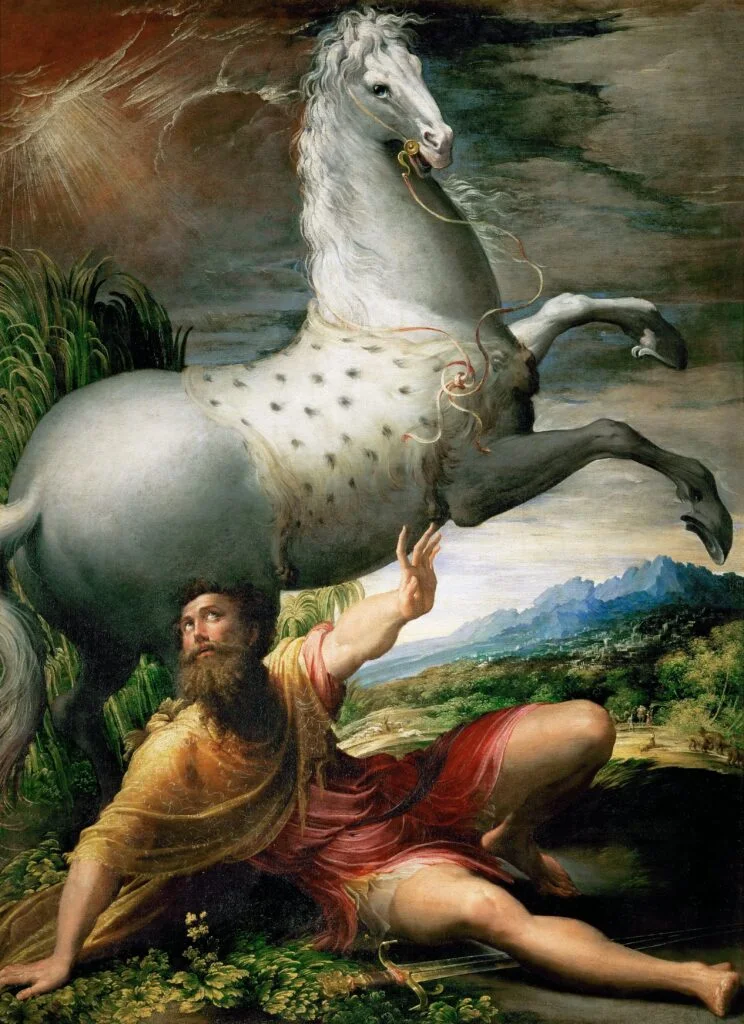
Paul’s influence on Christianity cannot be overstated. Familiar to students of comparative religion, especially Christian scholars, Paul was instrumental in shaping the faith. Initially an opponent of Jesus’ followers, a profound experience on the road to Damascus changed Paul. He claimed to have encountered the resurrected Jesus, which turned him into an ardent advocate for the faith. His letters to various churches, known as epistles, form a substantial part of the New Testament. These writings introduced several ideas not originally taught by Jesus, such as Jesus’ divinity and the concept of the Holy Trinity.
Paul also emphasized the universality of Jesus’ message, arguing that belief in Jesus alone was the key to salvation. He broke away from Jewish traditions, making the faith more accessible to non-Jews. This shift transformed Christianity from a Jewish sect into a global religion. However, this direction was not without its critics, leading to debates that would define the doctrines of Christianity over time.
In essence, Christianity’s development is a complex amalgamation of interpretations and influences that have adapted over time. It’s vital to recognize the myriad contributions, keeping in mind that they all claim to root back to Jesus’ teachings. Further chapters will explore these intricate topics, examining the teachings of both Jesus and Paul, the shaping of early Christianity, and the evolution of the faith to its current state.