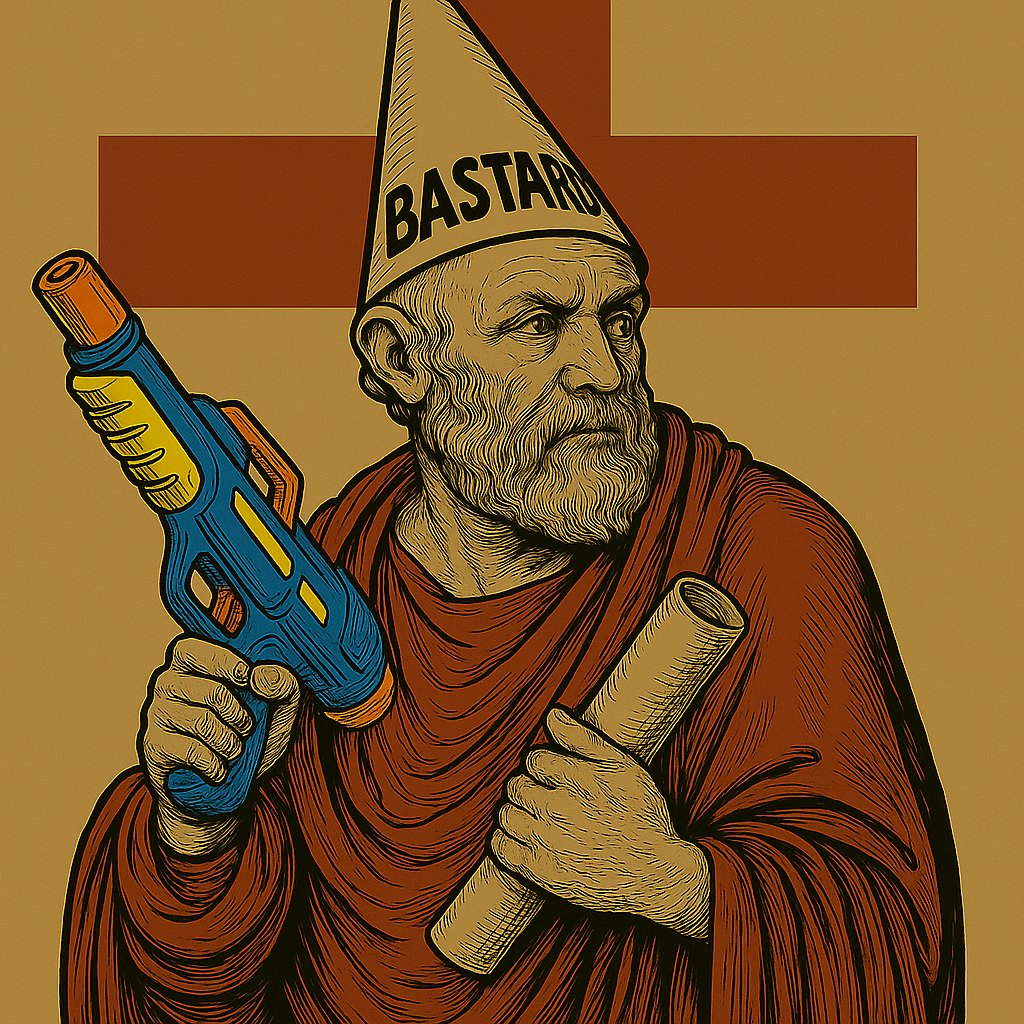
Immediately after the event of his repentance, Saul began to claim that he had received “guidance” directly from Jesus Christ. He then sought out the disciples to declare his repentance for what he had done to them.1
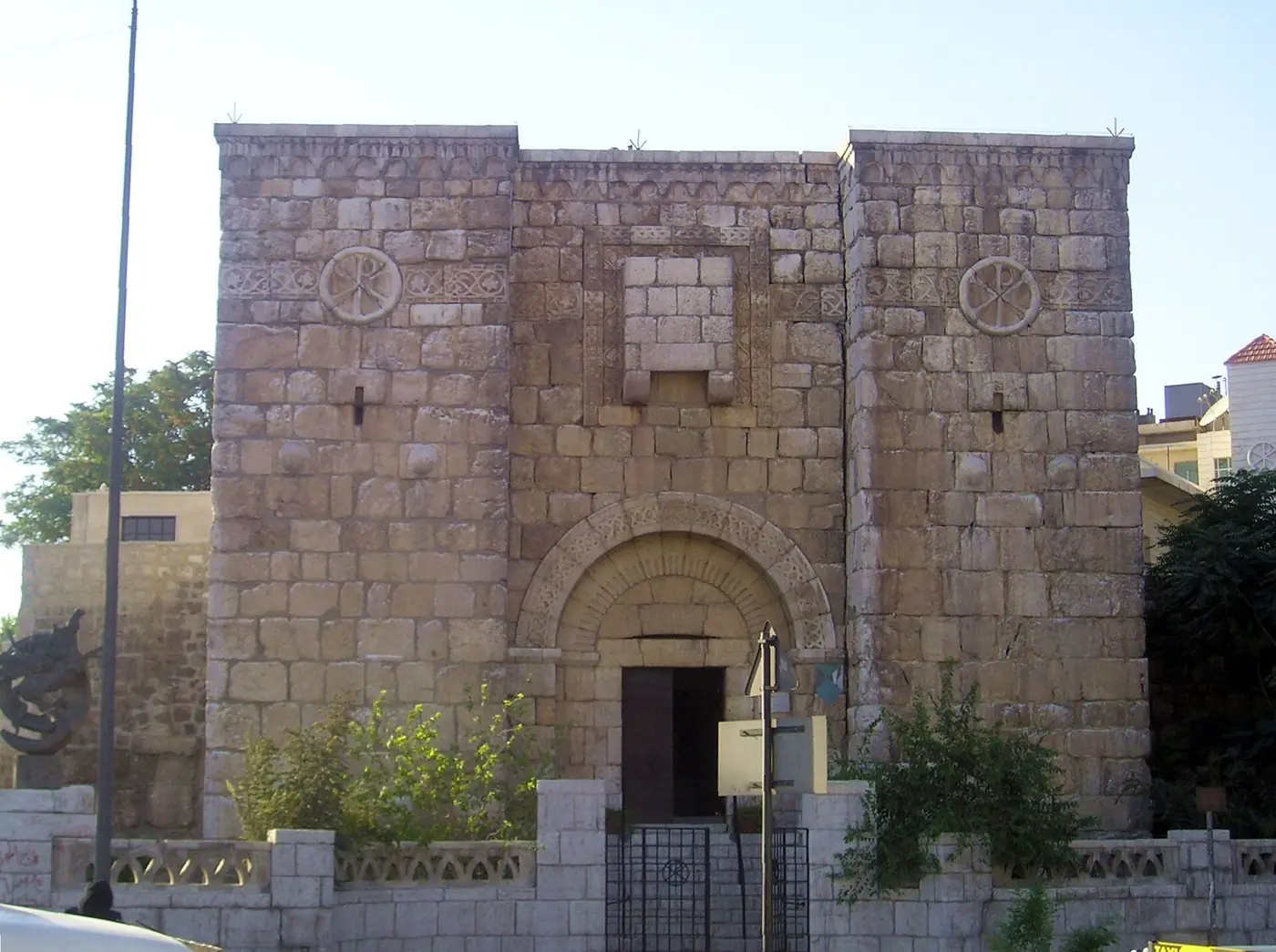
The New Testament states that all the followers of ʿĪsā ibn Maryam (ʿalayhi al-salām, peace be upon him) at first kept away from Saul, until Barnabas came forward to believe him and give him protection. Acts records it:
26Παραγενόμενος δὲ εἰς Ἰερουσαλὴμ ἐπείραζεν κολλᾶσθαι τοῖς μαθηταῖς· καὶ πάντες ἐφοβοῦντο αὐτόν, μὴ πιστεύοντες ὅτι ἐστὶν μαθητής. 27Βαρναβᾶς δὲ ἐπιλαβόμενος αὐτὸν ἤγαγεν πρὸς τοὺς ἀποστόλους, καὶ διηγήσατο αὐτοῖς πῶς ἐν τῇ ὁδῷ εἶδεν τὸν κύριον καὶ ὅτι ἐλάλησεν αὐτῷ καὶ πῶς ἐν Δαμασκῷ ἐπαρρησιάσατο ἐν τῷ ὀνόματι τοῦ Ἰησοῦ.
26And when Saul was come to Jerusalem, he assayed to join himself to the disciples: but they were all afraid of him, and believed not that he was a disciple. 27But Barnabas took him, and brought him to the apostles, and declared unto them how he had seen the Lord in the way, and that he had spoken to him, and how he had preached boldly at Damascus in the name of Jesus.2
Through Barnabas, Saul was accepted by the other followers of ʿĪsā ibn Maryam and became known as Paul. On the strength of his repentance, Paul declared himself one of the disciples of ʿĪsā ibn Maryam.
Paul’s own account of the same years does not agree with Luke’s. He tells the Galatians that after Damascus he went up to none of the apostles, went instead into Arabia and back to Damascus, and reached Jerusalem only after three years, where he stayed fifteen days with Peter and saw no other apostle except James:
17οὐδὲ ἀνῆλθον εἰς Ἱεροσόλυμα πρὸς τοὺς πρὸ ἐμοῦ ἀποστόλους, ἀλλὰ ἀπῆλθον εἰς Ἀραβίαν, καὶ πάλιν ὑπέστρεψα εἰς Δαμασκόν. 18Ἔπειτα μετὰ ἔτη τρία ἀνῆλθον εἰς Ἱεροσόλυμα ἱστορῆσαι Κηφᾶν, καὶ ἐπέμεινα πρὸς αὐτὸν ἡμέρας δεκαπέντε· 19ἕτερον δὲ τῶν ἀποστόλων οὐκ εἶδον, εἰ μὴ Ἰάκωβον τὸν ἀδελφὸν τοῦ κυρίου.
17Neither went I up to Jerusalem to them which were apostles before me; but I went into Arabia, and returned again unto Damascus. 18Then after three years I went up to Jerusalem to see Peter, and abode with him fifteen days. 19But other of the apostles saw I none, save James the Lord’s brother.3
Acts has Barnabas bring him “to the apostles” as a new and doubted convert; Paul, who adds “before God, I lie not,” says he met two of them, and only after three years of preaching on his own authority. The two accounts cannot both stand.
Historians who set them side by side generally prefer Paul’s letter to Luke’s narrative, as the earlier source and the one written by Paul himself.4 Either way, the apostleship Paul claimed was established without the apostles.
The disagreement begins earlier, with where Paul was known at all. In Acts, Saul makes havoc of the church in Jerusalem, entering every house and dragging men and women to prison, before he sets out for Damascus.5 In his own letter, Paul says that when he first went up to Jerusalem, three years after his call, he was still “unknown by face unto the churches of Judaea.”6
A persecutor who had raided the houses of the Jerusalem believers could hardly have been a stranger to their faces. Dale B. Martin, setting the two accounts side by side, judged that they cannot responsibly be harmonised: if Paul is telling the truth, the account in Acts cannot be historical.7
The claim to apostleship
Paul often, and without embarrassment, claimed to belong among the apostles, as in these words:
1Παῦλος κλητὸς ἀπόστολος Χριστοῦ Ἰησοῦ διὰ θελήματος θεοῦ καὶ Σωσθένης ὁ ἀδελφὸς
1Paul, called to be an apostle of Jesus Christ through the will of God, and Sosthenes our brother,8
5λογίζομαι γὰρ μηδὲν ὑστερηκέναι τῶν ὑπερλίαν ἀποστόλων·
5For I suppose I was not a whit behind the very chiefest apostles.9
Paul’s proclamation of himself as an apostle drew no attention from the Jewish community, and the followers of the mission of ʿĪsā ibn Maryam did not believe him at all. How could they? Paul had been the chief enemy of the followers of ʿĪsā ibn Maryam.
Not long before, he had been the one arresting, punishing and killing their brethren for their faith. The New Testament itself records that the main supporters of the mission of ʿĪsā ibn Maryam before Paul’s appearance were Barnabas and Peter.
By his own admission, Paul never studied under ʿĪsā ibn Maryam and never heard any teaching from him. Yet because he claimed to belong among the apostles, the teaching he devised was crowned “the revelation of God.”
The title was self-conferred, and the authority that rests on it is, ipso facto, self-conferred too. Paul explains it himself:
11Γνωρίζω γὰρ ὑμῖν, ἀδελφοί, τὸ εὐαγγέλιον τὸ εὐαγγελισθὲν ὑπʼ ἐμοῦ ὅτι οὐκ ἔστιν κατὰ ἄνθρωπον· 12οὐδὲ γὰρ ἐγὼ παρὰ ἀνθρώπου παρέλαβον αὐτό, οὔτε ἐδιδάχθην, ἀλλὰ διʼ ἀποκαλύψεως Ἰησοῦ Χριστοῦ.
11But I certify you, brethren, that the gospel which was preached of me is not after man. 12For I neither received it of man, neither was I taught it, but by the revelation of Jesus Christ.10
Paul admits that his gospel differed from the teaching of the other apostles, such as Peter and Barnabas. He goes on:
6Θαυμάζω ὅτι οὕτως ταχέως μετατίθεσθε ἀπὸ τοῦ καλέσαντος ὑμᾶς ἐν χάριτι Χριστοῦ εἰς ἕτερον εὐαγγέλιον, 7ὃ οὐκ ἔστιν ἄλλο· εἰ μή τινές εἰσιν οἱ ταράσσοντες ὑμᾶς καὶ θέλοντες μεταστρέψαι τὸ εὐαγγέλιον τοῦ Χριστοῦ. 8ἀλλὰ καὶ ἐὰν ἡμεῖς ἢ ἄγγελος ἐξ οὐρανοῦ εὐαγγελίζηται ὑμῖν παρʼ ὃ εὐηγγελισάμεθα ὑμῖν, ἀνάθεμα ἔστω. 9ὡς προειρήκαμεν, καὶ ἄρτι πάλιν λέγω, εἴ τις ὑμᾶς εὐαγγελίζεται παρʼ ὃ παρελάβετε, ἀνάθεμα ἔστω.
6I marvel that ye are so soon removed from him that called you into the grace of Christ unto another gospel: 7Which is not another; but there be some that trouble you, and would pervert the gospel of Christ. 8But though we, or an angel from heaven, preach any other gospel unto you than that which we have preached unto you, let him be accursed. 9As we said before, so say I now again, If any man preach any other gospel unto you than that ye have received, let him be accursed.11
Curses for dissenters
Besides spreading a gospel different from the one the apostles brought, Paul showed his arrogance by cursing anyone who did not believe the gospel he brought:
22εἴ τις οὐ φιλεῖ τὸν κύριον, ἤτω ἀνάθεμα. Μαράνα θά.
22If any man love not the Lord Jesus Christ, let him be Anathema Maranatha.12
For that reason Paul pressed people to accept wholesale his claim to be an apostle, on the ground that his rank was no lower than that of the other apostles:
4εἰ μὲν γὰρ ὁ ἐρχόμενος ἄλλον Ἰησοῦν κηρύσσει ὃν οὐκ ἐκηρύξαμεν, ἢ πνεῦμα ἕτερον λαμβάνετε ὃ οὐκ ἐλάβετε, ἢ εὐαγγέλιον ἕτερον ὃ οὐκ ἐδέξασθε, καλῶς ἀνέχεσθε. 5λογίζομαι γὰρ μηδὲν ὑστερηκέναι τῶν ὑπερλίαν ἀποστόλων·
4For if he that cometh preacheth another Jesus, whom we have not preached, or if ye receive another spirit, which ye have not received, or another gospel, which ye have not accepted, ye might well bear with him. 5For I suppose I was not a whit behind the very chiefest apostles.13
Barnabas and Paul
Throughout the spreading of the teaching of ʿĪsā ibn Maryam, Barnabas traveled widely with Paul, who now appeared in a new guise as the most faithful adherent of that teaching. Paul began to introduce himself as “servant of Christ Jesus” or “apostle of Christ Jesus,” as the openings of his letters show.14
The relationship between Barnabas and Paul is described in Acts:
1Ἦσαν δὲ ἐν Ἀντιοχείᾳ κατὰ τὴν οὖσαν ἐκκλησίαν προφῆται καὶ διδάσκαλοι ὅ τε Βαρναβᾶς καὶ Συμεὼν ὁ καλούμενος Νίγερ, καὶ Λούκιος ὁ Κυρηναῖος, Μαναήν τε Ἡρῴδου τοῦ τετραάρχου σύντροφος καὶ Σαῦλος. 2λειτουργούντων δὲ αὐτῶν τῷ κυρίῳ καὶ νηστευόντων εἶπεν τὸ πνεῦμα τὸ ἅγιον· Ἀφορίσατε δή μοι τὸν Βαρναβᾶν καὶ Σαῦλον εἰς τὸ ἔργον ὃ προσκέκλημαι αὐτούς.
1Now there were in the church that was at Antioch certain prophets and teachers; as Barnabas, and Simeon that was called Niger, and Lucius of Cyrene, and Manaen, which had been brought up with Herod the tetrarch, and Saul. 2As they ministered to the Lord, and fasted, the Holy Ghost said, Separate me Barnabas and Saul for the work whereunto I have called them.15
In the list of the disciples, Luke names Barnabas first and places Saul (Paul) last.
Chosen to work together, the disciples set out to spread the teaching. Barnabas and Paul left with Mark to carry the teaching of ʿĪsā ibn Maryam into Greek territory, while James the son of Zebedee remained in Palestine as head of the followers of ʿĪsā ibn Maryam, together with Peter.
Acts also records that although they were sometimes stoned in various places,16 the work of the two preachers bore great fruit, and their reputation as messengers of God spread widely.
Not long after they had spread the mission of ʿĪsā ibn Maryam together, Barnabas began to distance himself from Paul, having recognized the underhand tactic by which Paul was trying to compromise the religion of ʿĪsā ibn Maryam with the beliefs of the Graeco-Roman world. How Paul went on to fit the teaching of ʿĪsā ibn Maryam to the beliefs of the Graeco-Roman world is the third count against him, set out in Adapting the message to the pagans.
- cf. Acts, chapters 9 to 13. ↩
- Acts 9:26–27 (SBLGNT; KJV). ↩
- Galatians 1:17–19 (SBLGNT; KJV). ↩
- Galatians 1:20. On the comparison and its verdict, see Dale B. Martin, “The New Testament as History” and “Paul as Missionary,” Lectures 5 and 14, RLST 152: Introduction to New Testament History and Literature, Open Yale Courses, Yale University, Spring 2009, https://oyc.yale.edu/religious-studies/rlst-152. ↩
- Acts 8:3; 9:1–2. ↩
- Galatians 1:22. ↩
- Dale B. Martin, notes on “Luke” and Paul, 2019, “The Chronology and Geography of Paul’s “Conversion” and Early Ministry,” published on this site with his permission: dale-b-martin-luke-versus-paul. ↩
- 1 Corinthians 1:1 (SBLGNT; KJV). ↩
- 2 Corinthians 11:5 (SBLGNT; KJV). ↩
- Galatians 1:11–12 (SBLGNT; KJV). ↩
- Galatians 1:6–9 (SBLGNT; KJV). ↩
- 1 Corinthians 16:22 (SBLGNT; KJV). ↩
- 2 Corinthians 11:4–5 (SBLGNT; KJV). ↩
- cf. Romans 1:1; 1 Corinthians 1:1; Galatians 1:1, etc. ↩
- Acts 13:1–2 (SBLGNT; KJV). ↩
- Acts 14:19. ↩