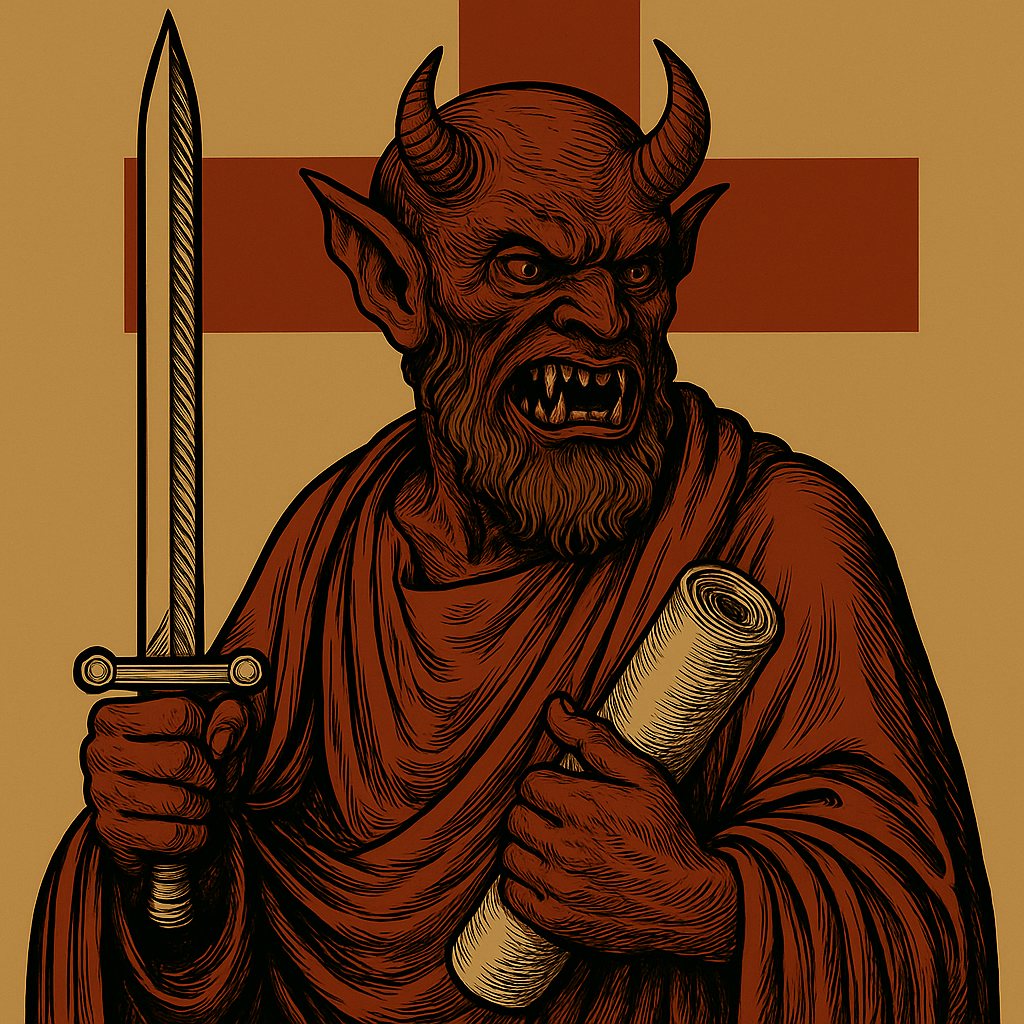
The Qurʾān never names Paul. It names, with precision, the doctrines he introduced, the method by which scripture was altered, and the words of ʿĪsā ibn Maryam (ʿalayhi al-salām, peace be upon him) that his followers set aside.
The Muslim scholars who identified Paul as the corrupter, from Sayf ibn ʿUmar to Isma’il R. al Faruqi, are treated in The Islamic tradition.1 This article sets out the revelation they were reading.
Translations below follow Saheeh International; the Arabic is given so that the reader may check them.2
The crucifixion
Count·III sets out Paul’s doctrine that the death of ʿĪsā ibn Maryam on the cross redeems the sin of humanity.3 The Qurʾān denies the premise.
وَقَوْلِهِمْ إِنَّا قَتَلْنَا ٱلْمَسِيحَ عِيسَى ٱبْنَ مَرْيَمَ رَسُولَ ٱللَّهِ وَمَا قَتَلُوهُ وَمَا صَلَبُوهُ وَلَـٰكِن شُبِّهَ لَهُمْ
“And [for] their saying, ‘Indeed, we have killed the Messiah, Jesus, the son of Mary, the messenger of Allah.’ And they did not kill him, nor did they crucify him; but [another] was made to resemble him to them.”4
Without the crucifixion there is no redeeming sacrifice, no Passover lamb, no hilastērion; the whole edifice of Count·V’s typology rests on an event the Qurʾān says did not occur.5
The divinity
Paul’s letters call ʿĪsā ibn Maryam the image of the invisible God in whom the fullness of the Godhead dwells bodily.6 The Qurʾān answers the claim and its later development in one breath.
لَقَدْ كَفَرَ ٱلَّذِينَ قَالُوٓا۟ إِنَّ ٱللَّهَ هُوَ ٱلْمَسِيحُ ٱبْنُ مَرْيَمَ ۖ وَقَالَ ٱلْمَسِيحُ يَـٰبَنِىٓ إِسْرَٰٓءِيلَ ٱعْبُدُوا۟ ٱللَّهَ رَبِّى وَرَبَّكُمْ
“They have certainly disbelieved who say, ‘Allah is the Messiah, the son of Mary’ while the Messiah has said, ‘O Children of Israel, worship Allah, my Lord and your Lord.’”7
لَّقَدْ كَفَرَ ٱلَّذِينَ قَالُوٓا۟ إِنَّ ٱللَّهَ ثَالِثُ ثَلَـٰثَةٍ ۘ وَمَا مِنْ إِلَـٰهٍ إِلَّآ إِلَـٰهٌ وَٰحِدٌ
“They have certainly disbelieved who say, ‘Allah is the third of three.’ And there is no god except one God.”8
The verse sets the words of ʿĪsā ibn Maryam against the words said about him, which is the method of this whole site. His own confession, in the Qurʾān, is the confession of a servant: “Indeed, I am the servant of Allah.
He has given me the Scripture and made me a prophet.”9 On the Day of Judgment he will be asked whether he told the people to take him and his mother as deities, and will answer that he said nothing except what he was commanded: “worship Allah, my Lord and your Lord.”10
Lords besides God
The Qurʾān describes the mechanism by which a religion of servants became a religion of lords.
ٱتَّخَذُوٓا۟ أَحْبَارَهُمْ وَرُهْبَـٰنَهُمْ أَرْبَابًا مِّن دُونِ ٱللَّهِ وَٱلْمَسِيحَ ٱبْنَ مَرْيَمَ وَمَآ أُمِرُوٓا۟ إِلَّا لِيَعْبُدُوٓا۟ إِلَـٰهًا وَٰحِدًا
“They have taken their scholars and monks as lords besides Allah, and [also] the Messiah, the son of Mary. And they were not commanded except to worship one God.”11
The verse names two steps: the exaltation of religious authorities into lawgivers, and the exaltation of al-Masīḥ into an object of worship. Count·VI traces both, from the letters to the councils.12 The Qurʾān adds the institution that Paul’s theology of the body produced, monasticism, and says of it that they invented it; God did not prescribe it.13
Altering the scripture
Count·V documents the verses of the Tanakh that Paul’s letters changed in the quoting.14 The Qurʾān describes the practice as a practice.
وَإِنَّ مِنْهُمْ لَفَرِيقًا يَلْوُۥنَ أَلْسِنَتَهُم بِٱلْكِتَـٰبِ لِتَحْسَبُوهُ مِنَ ٱلْكِتَـٰبِ وَمَا هُوَ مِنَ ٱلْكِتَـٰبِ
“And indeed, there is among them a party who alter the Scripture with their tongues so you may think it is from the Scripture, but it is not from the Scripture.”15
Of those who called themselves Christians it says that a covenant was taken from them, and that they forgot a portion of what they had been reminded of, so that enmity and hatred were cast among them until the Day of Resurrection.16 The Verdict quotes the sharpest form of the charge, on those who write the scripture with their own hands and say that it is from God.17
The disciples
Against the man who called himself an apostle, the Qurʾān sets the men ʿĪsā ibn Maryam chose.
يَـٰٓأَيُّهَا ٱلَّذِينَ ءَامَنُوا۟ كُونُوٓا۟ أَنصَارَ ٱللَّهِ كَمَا قَالَ عِيسَى ٱبْنُ مَرْيَمَ لِلْحَوَارِيِّـۧنَ مَنْ أَنصَارِىٓ إِلَى ٱللَّهِ ۖ قَالَ ٱلْحَوَارِيُّونَ نَحْنُ أَنصَارُ ٱللَّهِ
“O you who have believed, be supporters of Allah, as when Jesus, the son of Mary, said to the disciples, ‘Who are my supporters for Allah?’ The disciples said, ‘We are supporters of Allah.’”18
The ḥawāriyyūn (الحواريون, “the disciples”) are the witnesses the Qurʾān recognizes. Their head was James, the brother of ʿĪsā ibn Maryam; their spokesman was Peter; their record was effaced by the church that Paul’s letters built.19 A man who never met ʿĪsā ibn Maryam, who was refused by these men when he first came to them, and who cursed them afterward, has no place among them.
The witness that does not change
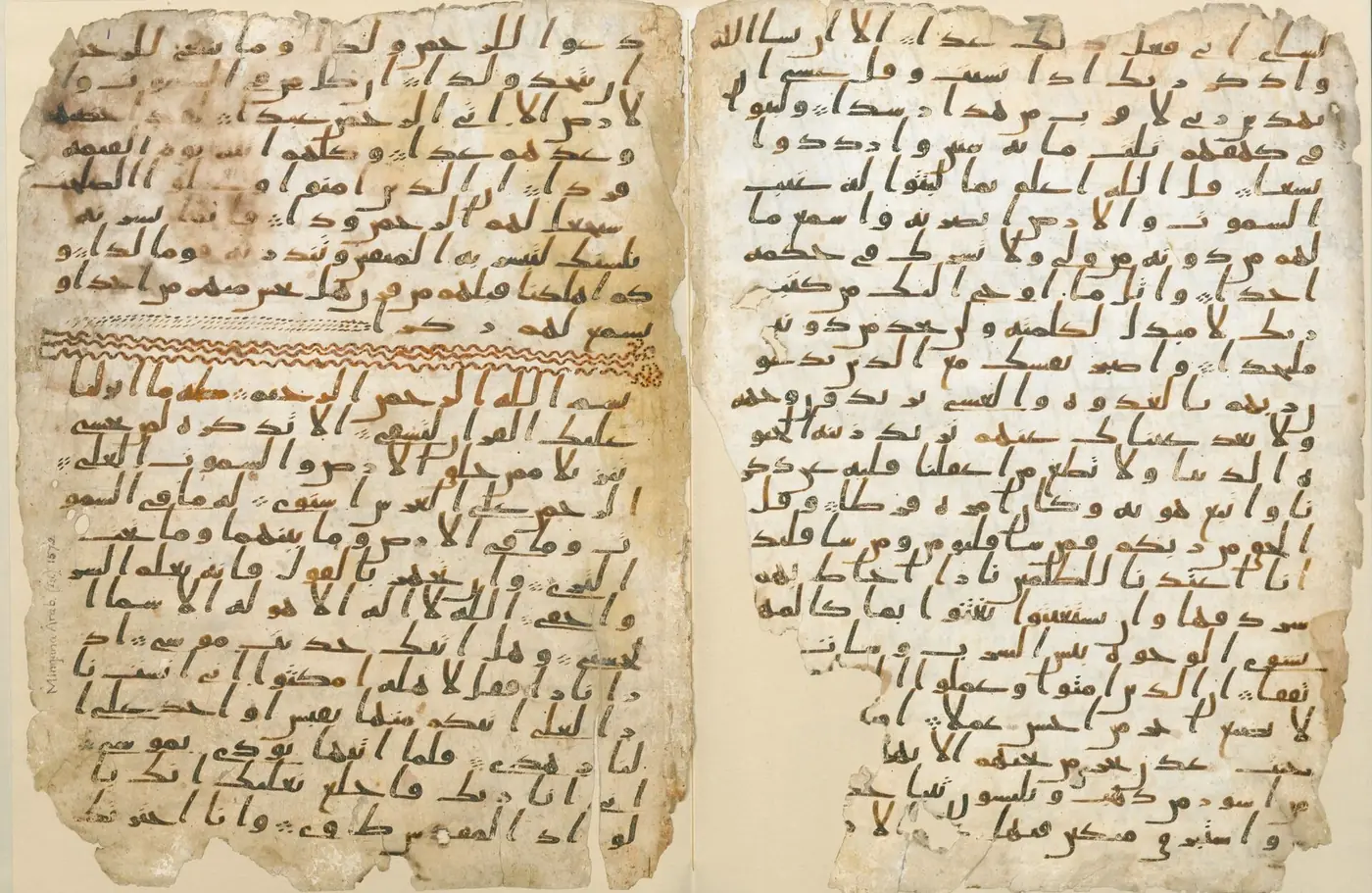
Every other witness on this site can be argued with. Luke’s narrative contradicts itself; the church fathers wrote to condemn; the Muslim scholars wrote centuries after the event. The Qurʾān claims to be the word of God, preserved without alteration, and Muslims hold that claim to be true.20
On that claim the case against Paul rests finally. The revelation says that ʿĪsā ibn Maryam was a messenger, that messengers had passed away before him, that his mother was a woman of truth, and that both of them ate food.21 Paul said otherwise, and the church believed Paul.
- See No prophet between me and ʿĪsā ibn Maryam. ↩
- The Qurʾan: English Meanings (Saheeh International; Jeddah: Al-Muntada Al-Islami, 2004), at the verses cited. ↩
- See Seven doctrines. ↩
- Sūrah al-Nisāʾ 4:157. ↩
- See Twisting the scriptures. ↩
- Colossians 1:15; 2:9. ↩
- Sūrah al-Māʾidah 5:72. ↩
- Sūrah al-Māʾidah 5:73. ↩
- Sūrah Maryam 19:30; cf. John 5:30. ↩
- Sūrah al-Māʾidah 5:116–117. ↩
- Sūrah al-Tawbah 9:31. On al-Thaʿlabī’s commentary on this verse, which names Paul, see From Ibn Ḥazm to Isma’il R. al Faruqi. ↩
- See The church that followed Paul. ↩
- Sūrah al-Ḥadīd 57:27. On the theology of the body see The letters of a man. ↩
- See Twisting the scriptures. ↩
- Sūrah Āl ʿImrān 3:78. ↩
- Sūrah al-Māʾidah 5:14. ↩
- Sūrah al-Baqarah 2:79. See The verdict. ↩
- Sūrah al-Ṣaff 61:14. ↩
- See James, the brother of ʿĪsā ibn Maryam and The first witnesses against Paul. ↩
- Sūrah al-Ḥijr 15:9. ↩
- Sūrah al-Māʾidah 5:75. ↩