The first article on Paul’s character gathered what his own letters add to the record of his conduct. This one turns to the moral order he prescribed for others.
His rule of silence for women, and its contradiction by his own practice, is set out under Count·V; his distrust of marriage and the body under Count·III.4 What follows is what those pages leave out.
Women, by the school of Paul
The rule of silence hardened, in a letter written in Paul’s name, into doctrine: a woman is to learn in silence with all subjection, may not teach or hold authority over a man, because Adam was formed first and the woman was deceived; she shall be saved in childbearing.5
11γυνὴ ἐν ἡσυχίᾳ μανθανέτω ἐν πάσῃ ὑποταγῇ· 12διδάσκειν δὲ γυναικὶ οὐκ ἐπιτρέπω, οὐδὲ αὐθεντεῖν ἀνδρός, ἀλλʼ εἶναι ἐν ἡσυχίᾳ. 13Ἀδὰμ γὰρ πρῶτος ἐπλάσθη, εἶτα Εὕα· 14καὶ Ἀδὰμ οὐκ ἠπατήθη, ἡ δὲ γυνὴ ἐξαπατηθεῖσα ἐν παραβάσει γέγονεν. 15σωθήσεται δὲ διὰ τῆς τεκνογονίας, ἐὰν μείνωσιν ἐν πίστει καὶ ἀγάπῃ καὶ ἁγιασμῷ μετὰ σωφροσύνης.
11Let the woman learn in silence with all subjection. 12But I suffer not a woman to teach, nor to usurp authority over the man, but to be in silence. 13For Adam was first formed, then Eve. 14And Adam was not deceived, but the woman being deceived was in the transgression. 15Notwithstanding she shall be saved in childbearing, if they continue in faith and charity and holiness with sobriety.1
Bernard Shaw, no Muslim and no churchman, drew the conclusion from Paul’s view of the wife as a release from desire: it “has made Paul the eternal enemy of Woman.”6 The Qurʾān names the mother of ʿĪsā ibn Maryam (ʿalayhi al-salām, peace be upon him) as chosen above the women of the worlds.7 The rule of silence is Paul’s, and the churches that kept it kept his.
Slaves
Paul never condemned slavery. He commanded slaves to obey their masters with fear and trembling, as they would obey Christ.8 When a slave named Onesimus fled to him, he sent the man back to his owner Philemon, with a letter asking for kindness and offering to pay any debt.9
5Οἱ δοῦλοι, ὑπακούετε τοῖς κατὰ σάρκα κυρίοις μετὰ φόβου καὶ τρόμου ἐν ἁπλότητι τῆς καρδίας ὑμῶν ὡς τῷ Χριστῷ,
5Servants, be obedient to them that are your masters according to the flesh, with fear and trembling, in singleness of your heart, as unto Christ;2
The letter to Philemon is often praised as tender. It is a letter returning a human being to the man who owned him. Bishop Spong listed “servants, obey your masters” among the commands that reflect a first-century prejudice and become, when defended as scripture, a moral burden.10
Caesar
To the Romans, Paul wrote that every soul is to be subject to the higher powers, that the powers that be are ordained of God, and that whoever resists them resists the ordinance of God. The ruler bears the sword as the minister of God.11
1Πᾶσα ψυχὴ ἐξουσίαις ὑπερεχούσαις ὑποτασσέσθω, οὐ γὰρ ἔστιν ἐξουσία εἰ μὴ ὑπὸ θεοῦ, αἱ δὲ οὖσαι ὑπὸ θεοῦ τεταγμέναι εἰσίν. 2ὥστε ὁ ἀντιτασσόμενος τῇ ἐξουσίᾳ τῇ τοῦ θεοῦ διαταγῇ ἀνθέστηκεν, οἱ δὲ ἀνθεστηκότες ἑαυτοῖς κρίμα λήμψονται.
1Let every soul be subject unto the higher powers. For there is no power but of God: the powers that be are ordained of God. 2Whosoever therefore resisteth the power, resisteth the ordinance of God: and they that resist shall receive to themselves damnation.3
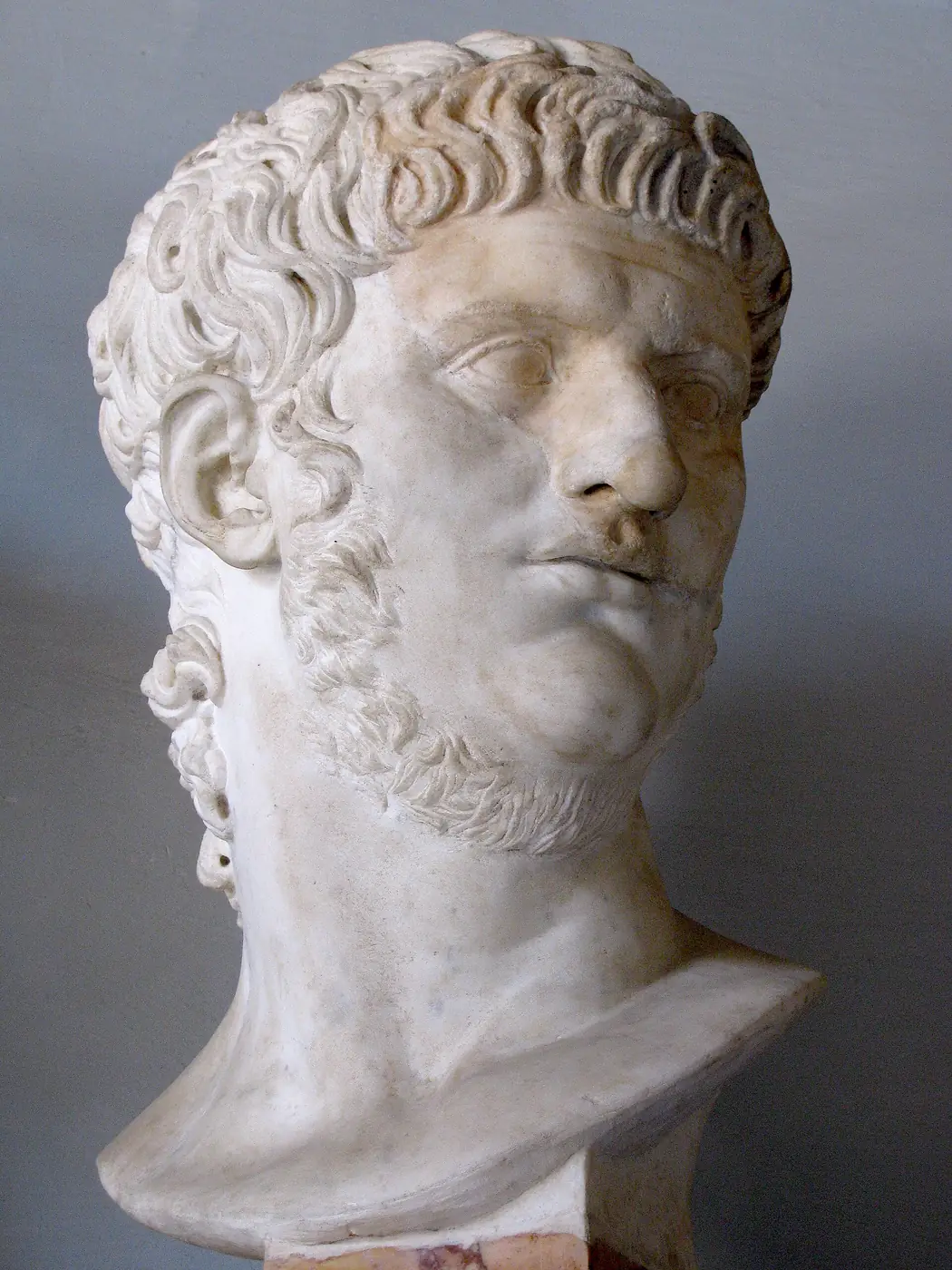
The ruler in question was Nero. Spong names the verse beside the rule of silence and the rule of slaves as the crust of the first century that must be broken off before Paul’s letters can be read at all.12 The Verdict sets out where the doctrine of obedience led.
The witnesses of conscience
Three men who owed nothing to Islam reached the same verdict on Paul’s character from his own writings. Thomas Jefferson wrote to William Short in 1820 that of the “band of dupes and impostors, Paul was the great Coryphaeus, and first corrupter of the doctrines of Jesus.”13
Bentham, three years later, wrote a book to separate the religion of the one from the religion of the other.14 Shaw, in 1915, found the outcome: “There has really never been a more monstrous imposition perpetrated than the imposition of the limitations of Paul’s soul upon the soul of Jesus.”15
Muslim scholarship reached the verdict first, on the same evidence. Al-Qāḍī ʿAbd al-Jabbār’s account of Paul, given in The Islamic tradition, is a moral account before it is a doctrinal one: a man who opened the door of permissiveness, abolished the law and sought the favour of Caesar.16
The fruits
The test ʿĪsā ibn Maryam gave was of fruits, and the fruits are in the record. A man who lied for the gospel, swore a vow he had renounced in writing, cursed the disciples and wished them mutilated, reviled the high priest and pleaded ignorance, called the Jews contrary to all men, returned a slave, and blessed the sword of Nero. In Islam the prophets are protected from such conduct by ʿiṣmah (عصمة, “protection from sin”); a man who claims their office and shows this record has, ipso facto, disproved the claim.
The prophets whom the Qurʾān names are known for what they bore: Ayyūb his affliction, Yūsuf his prison, ʿĪsā ibn Maryam the plots of his own people, without a curse on any of them. Paul is known for what he inflicted. The Qurʾān’s question stands: why do you say what you do not do?17
- 1 Timothy 2:11–15 (SBLGNT; KJV). ↩
- Ephesians 6:5 (SBLGNT; KJV). ↩
- Romans 13:1–2 (SBLGNT; KJV). ↩
- 1 Corinthians 14:34–35; 1 Corinthians 7:1–9. See How Paul came to own the New Testament and The letters of a man. ↩
- 1 Timothy 2:11–15. The Pastoral Epistles are the work of Paul’s school; see Count·V. The rule is his own, from 1 Corinthians 14; the school supplied the theology. ↩
- Bernard Shaw, “Preface on the Prospects of Christianity,” in Androcles and the Lion, Overruled, Pygmalion (London: Constable, 1916), in the sections on Paul. ↩
- Sūrah Āl ʿImrān 3:42. ↩
- Ephesians 6:5–8; Colossians 3:22–24. ↩
- Philemon 1:10–19. ↩
- John Shelby Spong, Rescuing the Bible from Fundamentalism: A Bishop Rethinks the Meaning of Scripture (San Francisco: Harper, 1991), p. 101. ↩
- Romans 13:1–4. ↩
- Spong, op. cit., p. 101. ↩
- Thomas Jefferson to William Short, 13 April 1820, in The Papers of Thomas Jefferson, Retirement Series, vol. 15, pp. 538–541; Founders Online, National Archives. ↩
- Bentham, Not Paul, but Jesus (London, 1823). ↩
- Shaw, op. cit., the sentence that closes his account of Paul’s conversion. ↩
- al-Qāḍī ʿAbd al-Jabbār, Tathbīt Dalāʾil al-Nubuwwa, in Reynolds and Samir (eds.), Critique of Christian Origins (Provo, Utah: Brigham Young University Press, 2010), p. 183. ↩
- Sūrah al-Ṣaff 61:2. ↩